
This month’s listening picks from the Caribbean — featuring reviews by Nigel Campbell of new music by Collé Kharis; Anti-Everything; Gary Hector; and Victor Provost and Alex Brown
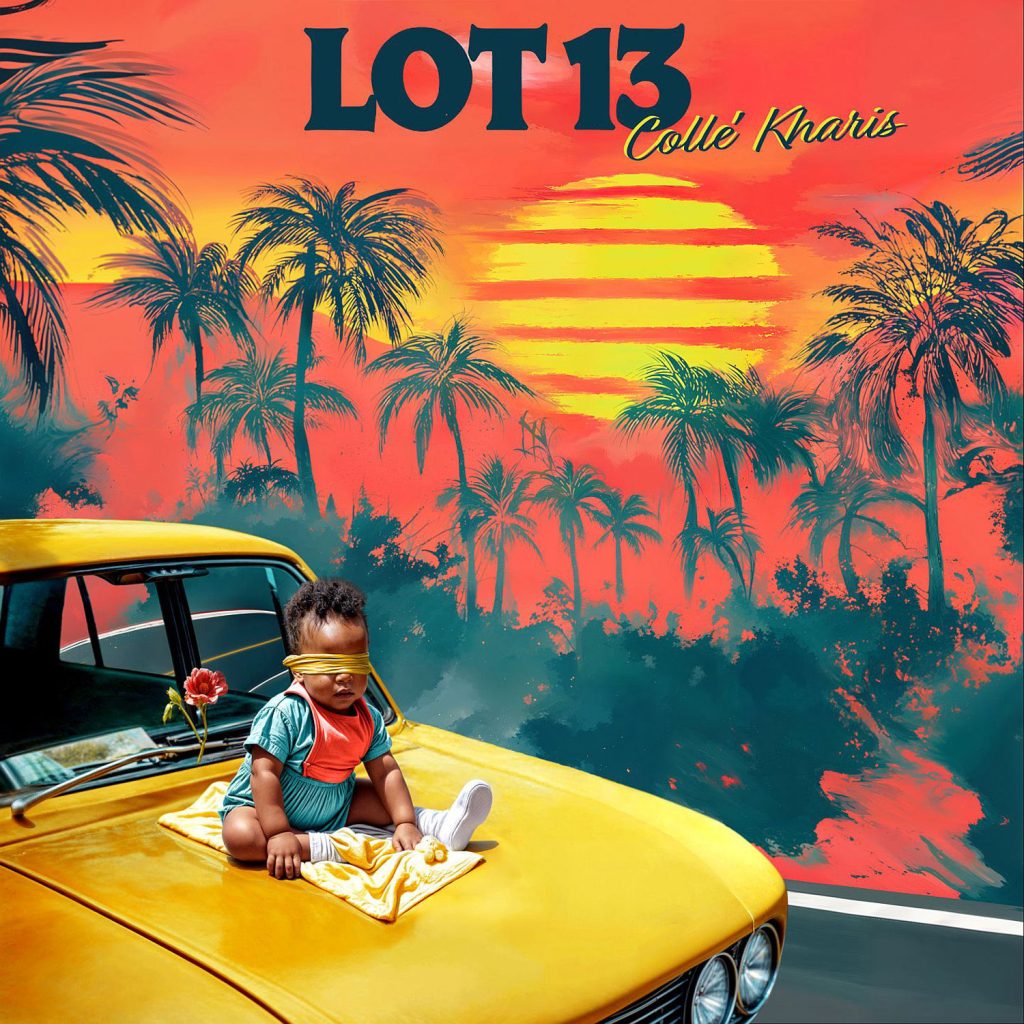
Collé Kharis
Lot 13 (RacJam Records)
The modern Caribbean immigrant story in the United States is not always hard-scrabble nor filled with over-the-shoulder glances towards forces of removal. Lives are being transformed positively, while island memories and multicultural perspectives linger. Born in Guyana, Collin Harris — reborn in music as Collé Kharis — is on a mission to make his music a signpost of what new Caribbean-Americans can call contemporary metropolitan island music. Lot 13, his new full-length album (his fourth in a two-decade career) explores topics of love and relationships, social justice, West Indian pride, and his reflections on his place in this new world. Direct lyrics, devoid of artifice, get to the message quickly. A reggae/dancehall vibe permeates the album, which moves in a multi-genre fusion direction. Accessible lyrics are front and centre. Production values ensure that beats are danceable for everyone. A new voice in reggae’s expanding world is here.
Anti-Everything
True Love (Boatshrimp Records)
Anti-Everything’s music has been described as melodic hardcore punk from Trinidad & Tobago, combining punk’s sonic aesthetics with steelpan and calypso. That musical juxtaposition is evident on their new record, an 11 song EP with short odes to the islands’ version of political nationhood (blighted and otherwise), along with cynical and wary observations that position this band’s generation of millennials as keen commentators on stalled progress. The marvellous lyrics perfectly capture the antipathy and agony of disappointed island youth. The music subliminally breathes the legacy of the islands’ calypso, telling stories that need to be heard, and providing musical pathways for native rhythms — here, Afro-Caribbean beats and steelpan work well to define a “punkaiso” minimalism. Mockery of florid political speech on “Hansard”, and progressing vocal angst on “Letter to the Prime Minister” embody an ethos of rebellion tied to smart songcraft. Genius!
Gary Hector
Memphis Medicine (Maraval Records)
The appeal and influence of Americana and country music to outsiders — yes, it’s territorial, just ask Beyoncé — has always been enigmatic. Englishman Elton John successfully flirted with it on Tumbleweed Connection; and Saint Lucians, to this day, deify the genre. 1960s rock and roll also became an early influence for Gary Hector that infuses his second solo album Memphis Medicine. His continued escape from island genres yields rewards. Bob Dylan vocalism with vintage Rolling Stones bluesy vibes spread across the album, but the twang of the pedal steel guitar points the whole project towards a traditional Nashville quality. Hector’s first-person narratives use clever wordplay like I wanna be the first to find the last great lovesong, and droll autobiography as on “Time Flies, Time Lies” to give listeners an inside look at his character. Pioneering stuff.
Victor Provost and Alex Brown
Island to Island (Dark Fire Records)
Victor Provost continues to provide listeners with an ever-expanding range of jazz music possibilities for the national instrument of Trinidad & Tobago, the steelpan. On this, his third official album — this time with pianist and frequent collaborator Alex Brown — Provost explores more Caribbean and Latin American rhythms including the Venezuelan joropo, the Brazilian baião, and the Creole mazurka of Martinique, and applies the language of jazz (expanded harmonies and improvised melodies) to a satisfying result. Brown counters with three compositions that speak to this tropical jazz vibe with elegant touches of virtuoso playing, allowing for the interplay of steelpan and piano that does not seem overly cerebral but assuredly sensual. The Brown composition “Victor’s Tune” is their 10-minute swan song on the album that encapsulates the idea that calypso and Latin rhythms, together with moving tempos, work well to smartly celebrate pan jazz.