
[ad_1]
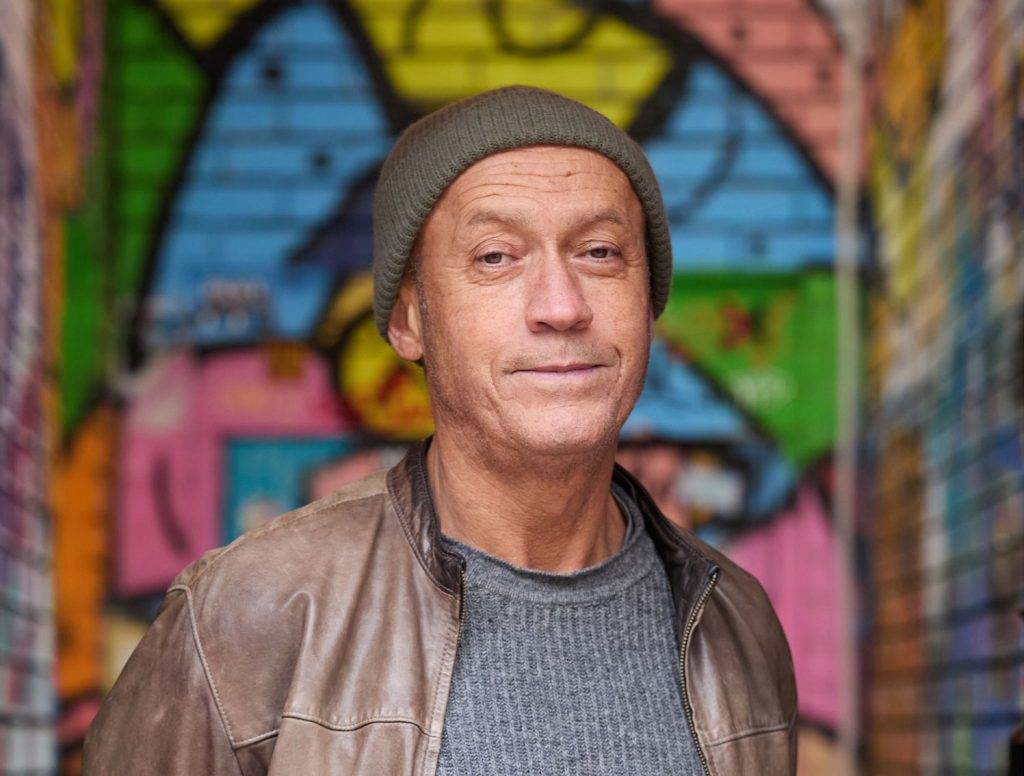
Jonathan Ali talks to Joseph Hillel, the Haitian-Canadian director of Koutkekout
In Port-au-Prince, Haiti, within the walls of a large residential compound, an event has been taking place every year for the last two decades. The Quatre Chemins theatre festival, founded by the writer and artist Guy Régis Jr, is more than a showcase for Haiti’s performers. It is a testament to a formidable desire to keep the arts alive in a country perpetually on the brink of violent collapse.
Born in Haiti and based in Montreal, Canada, Joseph Hillel talks to Jonathan Ali about his intimate and indelible documentary about this remarkable festival, and the artists who keep it going at all costs — or koutkekout, to use the Kreyòl term that gives the film its title.
How did Koutkekout come about?
I had this project in mind for 10 years. In 2013 I did a casting, with Guy Régis Jr, for a director looking for a young Haitian for a role in a film in Quebec. At that time, Guy was the director of the theatre department at the National School of the Arts in Haiti. I had just finished working with him on the Creole version of my first feature documentary, Ayiti Toma, in the Land of the Living (2013). I was surprised because there were so many young students coming to this casting. It was impressive. That’s when I started to think that [it] would be interesting to do something with these guys. I kept in contact.
In 2022, I spent almost a month watching the different plays that were being staged in the festival. I was very surprised by its popularity, with mostly a young audience. People were very enthusiastic. I decided that I should come back next year with a crew. I would try to find a way to make the film without putting anybody in danger. I wanted to do it fast because things in Port-au-Prince were getting worse and worse.
You immerse the viewer in the creative process of putting together the festival. What was filming it like?
It’s not easy to capture theatre for cinema. There’s always that fourth wall that I was trying to break [to get a character to acknowledge the camera]. People were rehearsing all around the headquarters of the festival — there is not much space available, so the artists are rehearsing everywhere they can. I decided to film them everywhere. I spent a lot of time with them, just chatting. After a while, as they’re rehearsing, I introduce the microphone. After that, I bring the camera in close. That was the way it evolved.
The principal shoot took place in 2023 with my director of photography and soundman. We’re all white guys, blan. It wasn’t very discreet, but it didn’t take long to earn their trust. Everyone was welcoming and happy to see foreigners during this difficult period in the country. Also, since I speak Kreyòl, it was very casual.
You beautifully integrate cultural history into the film, giving a sense of Haiti’s rich artistic traditions.
Saint-Domingue (now Haiti) was the most lucrative and also the most brutal French colony, and people loved to be entertained there. It was home to the most important theatrical tradition in the Antilles. There were many theatres and numerous troupes. White planters, mulattoes, and freemen alike were passionate about the spectacle.
After the revolutionary transition and the departure of the colonists, Haitian theatre would bring a political message to the world: that of the first Black republic, decolonised by the strength of its people. The fates of the liberator Toussaint Louverture, of Dessalines, or of Henri Christophe have inspired many writers.
The young artists in the film, like all Haitians, know the history of their country very well, and they’re very proud of it, and of their traditions. It’s not so much for them that I included this history in the film. It’s for people outside, who always hear the same bad things about Haiti. I would like to show something else about Haiti in my films, something brighter. A rich culture.
In the interviews, the protagonists discuss the challenges of living and working in Haiti.
They are struggling with that question. To leave, or to stay, with the situation as it is in Haiti. They have their friends and family there, and it is their source of creativity. Of course, it’s not easy for them to leave. We all know about the immigration situation in the United States. Most of the protagonists are trying to get artists’ residences outside, but they would prefer to stay in Haiti. They love their country; it is their world.
Koutkekout (2024)
Joseph Hillel
Haiti, Canada • 86 minutes
[ad_2]
Source link